So let’s face it, getting kids to talk about their feelings can be like asking them to clean up their toys without a reason to do it, tough and challenging! But wait!? What if you had a secret weapon? Something fun. Something Silly. Something with googly eyes and a silly voice?
Yes. We’re talking about puppets!!
Whether it’s a paper bag puppet you created together, an old sock you turned into a friend, or a full-on fuzzy friend that you purchased, puppets are such a GREAT way to help kids learn emotional regulation in a playful, low-pressure way.
Let’s break it down:
Why Puppets Work Like Magic
Kids often do not have the language, or confidence, to talk about BIG feelings. Puppets give them a safe space to:
express feelings without shame (“Carmen the Worm is feeling really mad today”)
practice problem-solving from a distance (“What should Carmen the Worm do when he’s about to explode?”)
learn by doing, because lectures don’t often work, but play is a golden ticket!
The Puppetry Skills Needed
Try to do lip synchronization - this makes the puppet come to life!
Eye focus - remember that the puppet is needing to make the eye contact with the child, or with you if conversing back and forth.
Gestures/movement - the puppets head moves up and down, it is expressive.
Voice - you don’t have to create a whole new voice, it’s whatever your comfort level is.
Sound effects/miming - think about things that lighten the mood, hiccups, yawns, sneezes, these things can buy you time when you’re thinking!
4 Emotional Regulation Strategies to Try
You do not need a puppet theatre, nor a degree, to do this, just unleash your inner goofball!
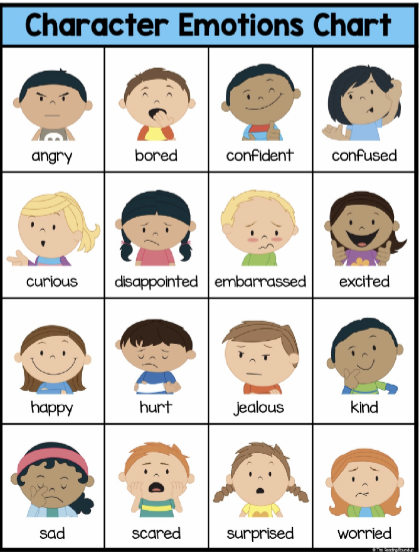
Name that Feeling
Puppet: “Ugh, I feel all tight and grumpy inside . . . what’s going on with me?”
Ask your child: “What do you think the puppet is feeling?”
Then help label it: “Sounds like he might be frustrated!”
Pro Tip: Keep a feelings chart near and let the puppet point to the face that matches.Belly Breathing
Puppet: “Okay, I’m going to try my calm breaths. In through the nose and out through the mouth. Wanna do it with me?”
Let your kid teach the puppet belly breathing. They’re learning without realizing it.
Pro Tip: If you’re using a dog, do dog bone breaths where you sniff the biscuit then blow out the smell. Or a cat, do purr breaths, where you breathe in a big breath and then purr on the way out. Get creative!Problem-Solving Role Play
Puppet: “My friend took my favourite pencil! I wanted to scream, but instead I said . . . what could I say?
Let your child come up with the ideas to help the puppet.
Switch roles! Sometimes your child can be the puppet’s emotional coach.Celebrate Successes!
Puppet: “I was so mad but I remembered I could take deep breaths. Go me!”
Celebrate those wins, no matter how small! Use silly dances, stickers, or the puppet’s “victory squeak”.
Idea: You can create a puppet journal. This is where you would have the puppet “write” or draw about its feelings.
Real Talk: You do not have to be perfect!
You might feel ridiculous at first. Your puppet might sound like it’s from a different planet, cool!
What matters is that you’re creating a space where your child feels safe, seen and heard.
Puppet Power Tips!
Give your puppet its own personality and a name!
Use it to name and talk about feelings.
Practice calm-down tools through play.
Role-play tricky situations.
Celebrate all emotional wins.
Remember you got this and have fun!
If puppets are not your thing, talk to us here at InnerWorks. We have therapists that love puppet work! Puppets are not just for little kids, they can be used throughout the lifespan as a way to communicate and express ourselves!