How to Help Your Child Adjust to School Routines After the Holidays

The transition back to school after the holidays can feel more challenging than many parents expect. As a licensed Registered Psychotherapist (Qualifying) specializing in childhood anxiety and family transitions, I've supported hundreds of families through this adjustment. What we consistently see is that parents often blame themselves when routines feel harder—when the reality is that this experience is completely developmentally normal.
In reality, this experience is very common. The holidays bring meaningful changes for children: later bedtimes, relaxed schedules, more stimulation, and often more family connection. When school resumes, children aren't being difficult; they're adjusting. Their bodies and brains need time to return to predictability and structure. Let me walk you through what's actually happening, and how to respond in ways that help.
Why Is the Transition Back to School So Challenging for Children?
School transitions are challenging because children are adjusting from relaxed holiday routines to structured schedules. This isn't defiance—it's a normal developmental response. Children need time to rebuild routines and feel emotionally regulated before they can focus or manage expectations.
As Dr. Bruce Perry reminds us, "Regulation comes before reasoning." Before children can follow routines, focus, or manage expectations, they need to feel calm, supported, and emotionally safe. Think of their nervous system as a thermostat that's been set to "holiday mode"—shifting back to "school mode" takes time.
In my practice, I've seen how quickly parents internalize the struggle as their failure. A parent will say, "She was fine before the holidays, and now she won't cooperate with anything." What's actually happening is that children—especially sensitive or anxious children—need a transition period. This is neurobiology, not behavior problems.
What Does School Adjustment Struggle Actually Look Like?
Common signs include resistance to routines (getting dressed, eating, separating), physical complaints like headaches or stomach aches, clinginess at drop-off, and emotional intensity at home. These are normal responses to change, not signs of deeper problems.
This adjustment often shows up in everyday moments. A child who used to get dressed independently may now resist every step. A child who usually separates easily may suddenly cling at drop-off or complain of headaches or stomach aches. These reactions are not signs of defiance or regression—they are common responses to change.
Families sometimes notice that a child who was previously independent with morning routines begins to struggle after schedule changes like the return to school following the holidays. What may look like defiance is often a child’s nervous system responding to sensory overload and the sudden shift back to early mornings and structured demands. When mornings are slowed down, playfulness is added, and overall demands are reduced, children often regain a sense of regulation and cooperation within a short period of time.
In these moments, slowing down often helps more than pushing through. A calm, supportive response such as, "It looks like this morning feels hard. I'm here with you," can reduce tension and help your child settle. Bringing play into routines can also make a meaningful difference. Getting dressed like a robot, racing shoes to the door, or letting a child "teach" a favorite toy the morning routine can ease stress and invite cooperation without turning the moment into a power struggle.
How Does Play Help Children Process School Transitions?
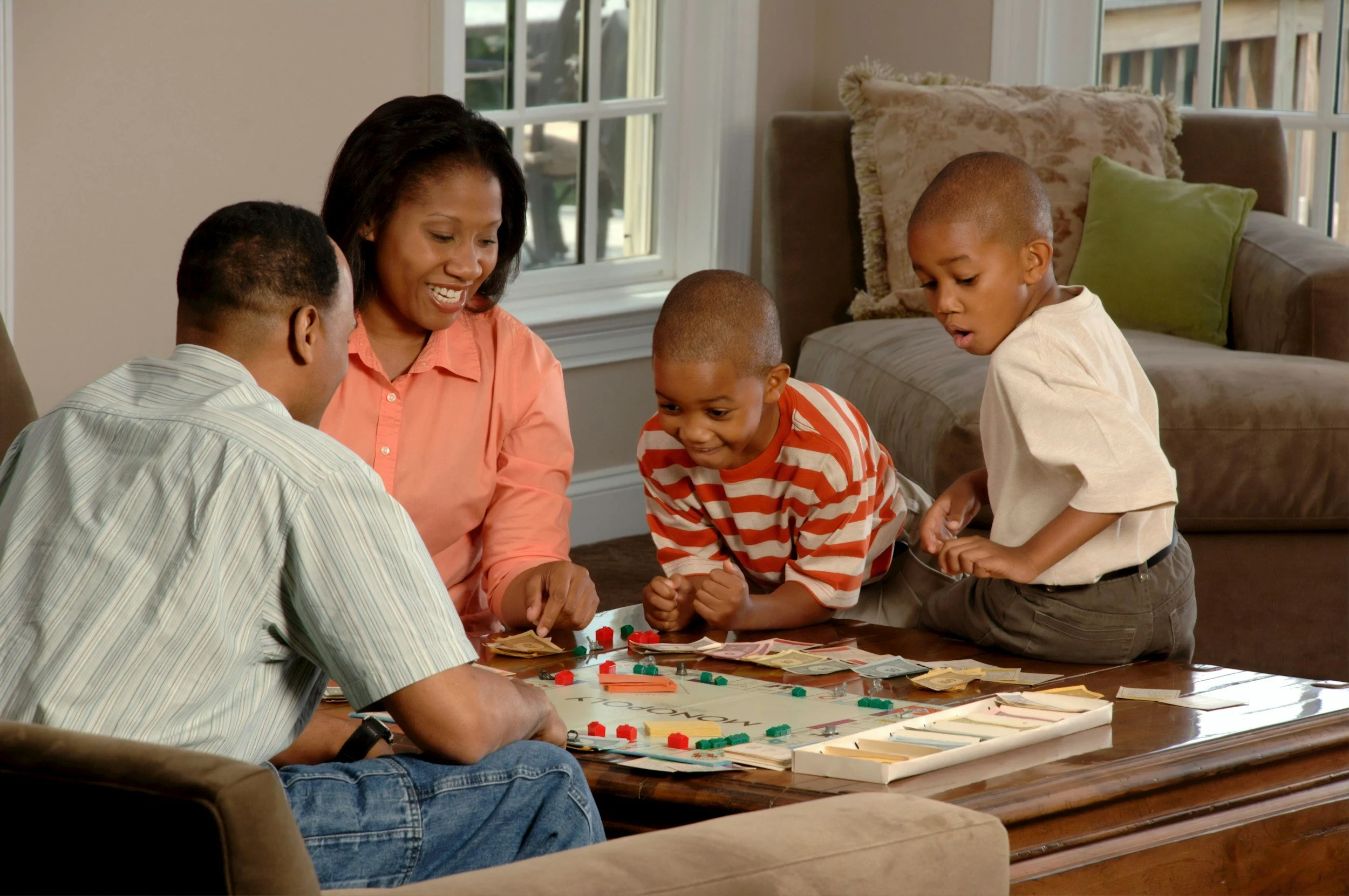
Play is how children make sense of emotions and experiences. During transitions, you'll notice repeated school themes, characters who avoid situations, or games centered on rules. Observing and gently reflecting ("That character looks nervous") supports emotional processing without pressure.
Children work through transitions through play itself. You may notice repeated school themes, characters who don't want to go somewhere, or games centered on rules and control. This kind of play is one way children make sense of new expectations.
Some young children express their feelings about transitions through play, such as repeatedly creating stories where a character resists going to school. While this can worry caregivers, it often reflects a child working through mixed emotions rather than a deeper problem. When adults stay nearby, observe, and gently reflect what they see—without pushing or dismissing the play, they support emotional processing in a way that feels safe and regulating for the child.
Sitting nearby, observing, and gently reflecting what you see, "That character looks nervous about school today", can support emotional processing without pressure. You don't need to teach the lesson or fix the feeling; you're simply witnessing and validating the work your child is doing.
Why Do Children Struggle More Emotionally at Home After School?
Children often hold themselves together all day, then release emotions once home where they feel safe. This "after-school crash" is actually a sign your child trusts you. Connection before correction, listening and validating rather than correcting, helps them recover more quickly.
For many families, the most intense moments happen after school. Children often hold themselves together all day and then release emotions once they're home. While this can be exhausting, it often means your child feels safe with you. As Dr. Becky Kennedy explains, "Children don't give us a hard time; they have a hard time."
Some children come home from school emotionally exhausted, responding with tears, withdrawal, or a refusal to talk about their day. While caregivers may instinctively move into problem-solving, children often settle more quickly when the focus shifts to connection, naming the exhaustion, sitting together, and keeping demands low. When children feel seen and regulated first, they are often able to share what was bothering them once their nervous system has had time to recover.
How Long Does It Realistically Take to Rebuild School Routines?
The first 1-2 weeks are still part of transition. For some children, it takes 3-4 weeks to fully settle. Bedtimes may take longer, mornings may feel slower, and emotions may stay closer to the surface. Consistency matters more than perfection.
As routines return, it's important to keep expectations realistic. The first week or two back at school is still part of the transition. Bedtimes may take longer, mornings may feel slower, and emotions may stay close to the surface. This doesn't mean routines aren't working; it means they're being rebuilt.
Preparing school items the night before, keeping bedtime calm and predictable, and focusing on consistency rather than perfection can make a noticeable difference. Instead of aiming for a perfect routine, aim for a consistent routine, even if it's slower than pre-holiday normal.
Many parents quietly wonder why something that seems so simple feels so hard. The truth is that transitions are challenging because children are still developing the skills adults take for granted. What helps most isn't doing everything perfectly, but staying present, patient, and emotionally available.

What This Season Actually Means
Returning to school after the holidays is more than a schedule change; it's an emotional shift. With empathy, playfulness, and gentle structure, children can move back into routines feeling supported and capable. If this season feels messy, that doesn't mean you're failing. It means you're guiding your child through change, and that work matters.
Check out some of these helpful resources and links:
Dr. Bruce Perry's Research on Nervous System Regulation - Understanding how regulation supports learning
Dr. Becky Kennedy on Child Development and Parenting - Evidence-based parenting insights
American Academy of Pediatrics: School Transitions - Professional guidance on supporting children through changes
InnerWorks Childhood Anxiety Support - Learn more about anxiety therapy for children
InnerWorks Parenting Support Services - Parent coaching and family therapy
Frequently Asked Questions (FAQs)
-
Most children settle back into routines within 1-2 weeks, though some children need 3-4 weeks, especially if they experienced significant schedule changes or have anxiety tendencies. If struggles persist beyond 4 weeks or intensify, that's a good time to seek additional professional support to understand what's underneath.
-
Both. Consistency in what happens matters more than forcing compliance about how it happens. Bedtime at 8:30 is consistent; whether you sing songs, read books, or chat to get there can be flexible. Children actually feel safer with consistent structures that allow flexibility within them.
-
Psychosomatic complaints are common during transitions. They're real, your child genuinely feels uncomfortable, but they typically resolve as anxiety decreases and routines become familiar again. If they persist beyond 2-3 weeks or worsen, a pediatric checkup is worthwhile to rule out other factors.
-
School refusal is different from the typical adjustment struggle and usually signals anxiety that needs professional attention. If your child is expressing school refusal or extreme anxiety, reaching out to a therapist who specializes in childhood anxiety can help you understand the root cause and develop strategies that work for your family.
-
Short-term adjustments are fine, you're in survival mode, not perfect-parenting mode. A few weeks of extra screen time or reward systems won't create lasting habits. Once routines stabilize, you can gently shift back if you'd like. What matters most right now is getting through the transition with everyone's nervous system as calm as possible.
-
This is actually a very positive sign. It means your child is regulated enough to manage school demands but comfortable enough with you to release big feelings. This is age-appropriate and healthy. Your role is to provide that safe landing space without judgment.
-
Anxious children often need extra validation and extra time. Validate the feeling ("I see you're worried about the test"), normalize it ("lots of kids feel worried about tests"), and then focus on what they can do ("let's practice what you might do if you feel worried"). Avoid pushing reassurance ("you'll be fine") and instead offer presence.
When to Reach Out for Support
If your child continues to struggle beyond the initial adjustment period, such as ongoing school refusal, heightened anxiety that interferes with daily functioning, or frequent emotional overwhelm that doesn't improve, additional professional support can be really helpful. At InnerWorks, we work with families to understand what's underneath the struggle and develop strategies that honor both your child's emotional needs and your family's practical needs.
The good news is that childhood anxiety and transition difficulties are very treatable. You don't have to navigate this alone.
Ready to Get Support?
If you'd like to talk through what you're experiencing with your child, we would be honored to support your family. Schedule a free 15-minute consultation at innerworkslondon.com or call 226-400-4330. We can discuss what's happening with your child, explore what might be underneath the struggle, and talk about next steps together.
Many families find that just having a professional perspective, someone who isn't in the daily stress with you, helps enormously. That conversation might be exactly what you need right now.